"Filming Surf, Lifestyle and Travel in Costa Rica: Creating One Coherent Story"
Three kinds of footage from the same trip usually end up as three unrelated edits. How to shoot them so they become one film.
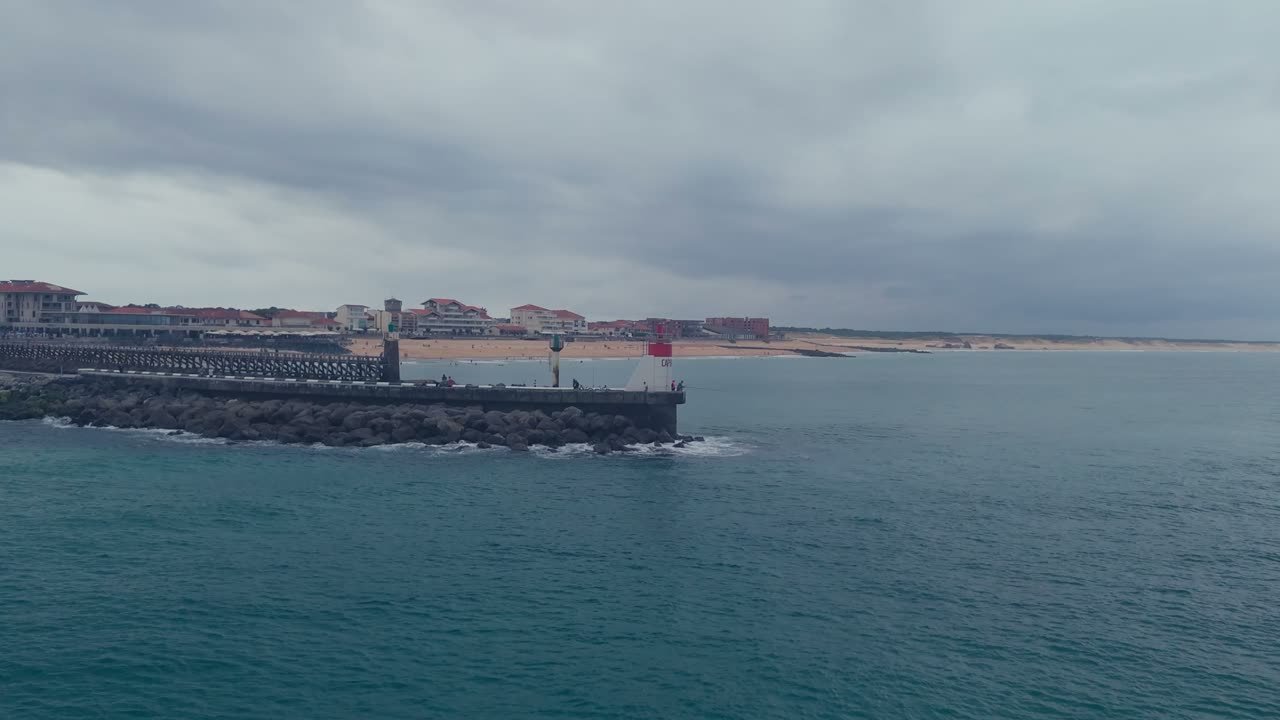
A trip to Costa Rica gives you three sets of material without trying: the surfing, the life around it, and the country you crossed to get there.
Left alone, those become three separate edits: a wave reel, a few lifestyle clips, some travel shots that never find a home. Each is fine. Together they'd be worth considerably more.
Making them one film is a decision taken while shooting, not in the timeline.
Pick the thread before you leave
One sentence is enough, and it doesn't have to be clever. A week of learning to read an unfamiliar break. Someone's first trip alone. What a place looks like at six in the morning before anyone is up.
Everything you shoot then has a job. Without it you're collecting, and collecting produces exactly the three unconnected folders described above.
Shoot the joins, not just the highlights
The reason travel and surf footage refuse to sit together is usually that nothing links them.
What links them is movement between places: the road, the bag being loaded, the walk down through the trees, the board going into the back of a truck, a door opening onto morning. Those shots have no value on their own, which is why nobody films them, and they're the entire reason an edit flows.
I shoot far more of them than feels reasonable. They're also the easiest footage to get. Nothing depends on conditions.
Keep one light logic
Nothing breaks a film faster than jumping between three different times of day every few seconds.
Near the equator that's easy to get wrong: midday light is hard and vertical, morning and evening are soft and short. If your surfing is all shot at midday and your lifestyle material at sunset, the two will never belong to each other.
So I try to gather a bit of every category in each light window. Half an hour of morning work gives me a wave, a face and a road, all consistent with each other: three usable seconds in the same film.
Sound is what actually ties it together
An edit that jumps between locations feels continuous when the sound doesn't jump with it.
Ambience recorded separately can be laid under a cut so the ear stays in one place while the eye moves: wind in the palms, water from a distance, a truck, voices with the words indistinct. It's the cheapest continuity there is.
Thirty seconds of each, recorded on their own rather than attached to a shot, gathered while the light is no good for filming anything.
Faces early
Surfing footage without people in it is scenery. The film needs someone to follow, and the audience needs to see them out of the water as well as in it.
Hands and gestures first, faces once the camera has stopped being an event. By the second day nobody notices it, and that's when the material you actually want appears.
Structure that works
Open on the place, at the quietest hour. Introduce the person doing something ordinary. Let the surfing arrive as a consequence rather than a subject. Come back down at the end to something small: a road, a plate of food, a board being rinsed.
Ending on the biggest wave is the obvious move, and it makes the whole thing read as a highlight reel. Ending on something quiet makes it a trip.
Written before the trip
I move to Santa Teresa in September. What's above is how I've built films on the French coast and what I'll be carrying over.
What I can't tell you yet is the specifically Costa Rican version: which hours the place actually gives you, how the wet season reorganises a week, what a local would say I'd missed.
That's the article I'll want to write in December, and it'll be a better one.
The films behind this approach are on this page.