How to Create a Surf Film for a Costa Rican Brand
What a brand actually needs from a shoot, how a day is organised, and how much material it should produce.
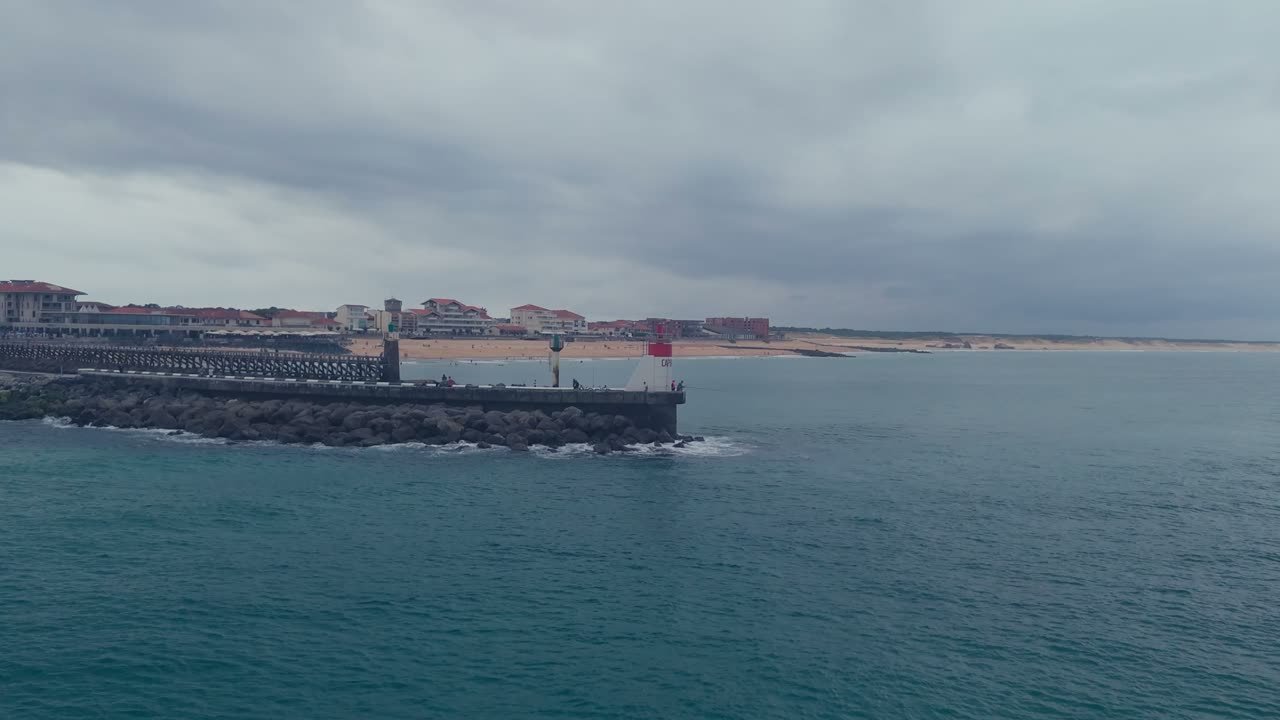
A brand booking a surf film usually asks for one video. What serves them better is a day organised to produce a season's worth of material, of which the film is the centrepiece.
Here's how I structure that, and what comes out of it.
Decide what the film has to carry
A rider's best manoeuvre proves the brand is legitimate. It doesn't, on its own, make anyone remember the brand. The attention goes to the person doing it.
What people are buying is belonging: the early start, the van, the cold wetsuit, the coffee afterwards, the friends on the car park. The product lives in that, at eye level.
So before anything gets filmed, the brand and I agree on which of those moments the film is really about. Everything else follows from that answer.
Four families of shots
Performance gives credibility. It rarely fills more than a third of the useful edit.
Product in use. Hands waxing, a wetsuit being pulled up, a leash clipped, a board coming out of the van. Short, close, and the shots people actually look at.
The life around it. The car park, the drive, the meal, the way everyone reads the horizon before deciding to go out.
The place. Costa Rica gives you jungle meeting sand, and light that changes completely between six and nine in the morning. It's free, it's there, and it's the part a competitor genuinely cannot reproduce.
A day that works
Two hours of shooting, split in half, produces far more than people expect: one hour in the water, and one hour out of it for the premises, the gear, the preparation on the sand, the faces before anyone paddles out.
That gives around thirty short videos, or two finished edits ready to post, cut for how the platforms actually serve them.
The reason it works is that half of it has nothing to do with waves. Waves need conditions. Hands, faces and light don't.
Shoot vertical from the start
The footage is going to end up on phones.
A frame composed for a landscape edit and cropped later loses its subject or squashes it into the middle. Knowing from the outset that both formats are needed changes where the rider sits in the frame, how much headroom you leave, and how you follow the movement.
It's a decision made while shooting. Fixing it afterwards is always worse and always slower.
Record the sound
I record ambience separately on almost every shoot, and it's the thing that gets noticed least while adding the most.
Velcro on a wetsuit, wax on a deck, a van door, wind in the trees, water from far enough away to be texture. Thirty seconds of each, gathered while the light is no good for anything.
Those recordings hold a film together in a way music alone doesn't. They cost nothing but remembering.
The order in the edit
Open on the place. Install the life around it. Build to the performance. Come down onto the product.
The end is what people retain. Finishing on a manoeuvre means they remember the manoeuvre. Finishing on a hand sliding a board into a van, with the logo in frame without shouting, means they remember the brand.
What I bring
A DJI Mini 4 Pro with four batteries, a gimbal for whatever happens on the sand, and a 6× telephoto on my iPhone recording in Log ProRes LT at 4K 60fps. A vacuum-sealing housing, fins and goggles for the water.
Nothing on that list is exotic, and none of it is what decides the result. Being in the right place at the right hour does.
Written before I get there
I move to Santa Teresa in September. The structure above is what I run on brand days in France, and it's built around things that don't change with the country: how people watch, what a brand needs to reuse, how a day divides.
What I'll add afterwards is the Costa Rican specifics, which hours the light gives you, how the seasons move a schedule, what the local brands are actually short of.
The surf work behind this is on this page.