"How to Film Surfing in Costa Rica: A Practical Guide"
Seasons, tides, what to carry and how to plan a day. The logistics side of a surf shoot on the Pacific coast.
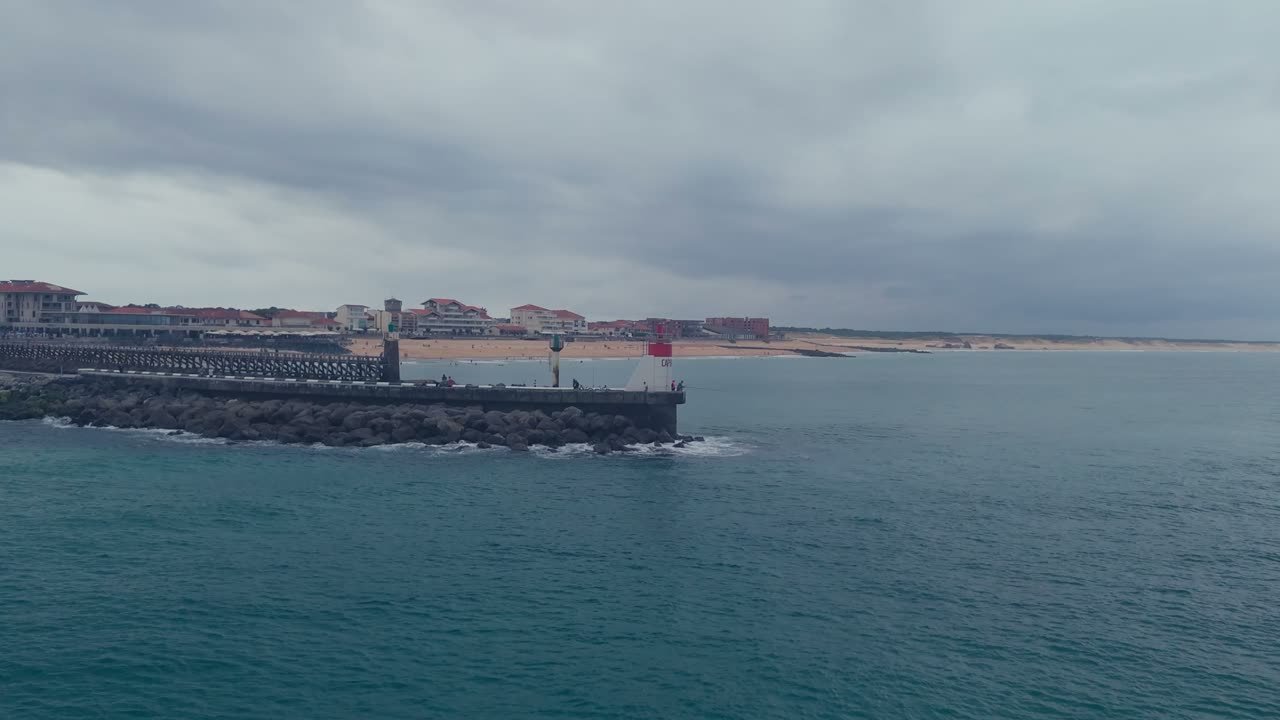
Filming surf is mostly organisation. The craft matters, but the difference between a good day and a wasted one is usually decided the evening before, by someone looking at a tide table.
Here's how I plan a shoot, and what I'm adjusting for Costa Rica before I move there in September.
The two seasons decide everything
The Pacific coast runs on a dry season roughly from December to April and a green season from May to November, when the afternoons bring rain.
That doesn't make the green season unusable. Far from it, the light before a storm is often the best of the day, and the swell is generally more consistent. It does mean a shooting day is shaped differently: you work in the morning, you accept that the afternoon may be lost, and you keep the gear dry rather than fighting the weather.
The dry season gives you predictable days and harder light. Neither is better. They ask for different plans.
Tide first, then everything else
A beach break is a sandbank, and the sandbank works at certain heights of water. That's true in the Landes and it'll be true there.
Tide tables are free, so there's no reason to arrive and find out. What I do at home is check them the night before, pick the window, and build the rest of the day around it: the light I want, the drive, where I'll park.
The one habit I'll keep is going to look first. I carry a monocular and, before a session, I'll stand on the beach and scan the coast left and right to see what's actually happening. Forecasts tell you about swell; they're much weaker on wind, which is the thing that decides whether a session is filmable. Twenty minutes of looking saves an hour of guessing.
A shooting day, roughly
For a surf school or a brand at home, the shape that works is about two hours split in half: an hour in the water, and an hour out of it for the premises, the gear, the preparation on the sand, the faces before anyone paddles out.
That gives around thirty short videos, or two finished edits ready to post. It's a lot of material for two hours, and the reason is that half of it doesn't involve waves at all.
I'd expect the same structure to hold in Costa Rica, with the water hour moved earlier.
What I carry
A DJI Mini 4 Pro with four batteries, which is what a real day costs. A gimbal for the ground sequences. A 6× telephoto on my iPhone for the line-up, recording in Log ProRes LT through the Blackmagic Camera app at 4K 60fps, which leaves enough room to grade a backlit frame.
For the water: a housing that vacuum-seals, bodysurfing fins, swimming goggles. Then sunscreen and a bottle of water, which sound like afterthoughts until you're two hours into a shoot in the sun.
A tripod, which also hangs the bag clear of wet sand when I'm working near the shore break. Everything lives in a waterproof RVCA pack.
Salt, sand and humidity
The tropics add a maintenance job that a French coast doesn't.
Warm wet air on cool glass fogs in seconds, so let everything reach ambient temperature before opening a housing. Keep silica gel in the bag. Rinse anything that's been in salt water the same day rather than the next morning, and wipe the front element far more often than feels necessary: spray dries into a haze you'll only notice in the footage.
Water safety is planning, not bravery
You're in the impact zone holding equipment, in a place whose currents you don't know yet.
The parts that transfer: a short leash on the housing, attached to the wrist rather than the ankle, because a loose board is parried with the arms. Never sit between a surfer and the beach. Tell the people in the water that you're filming. Most adjust their line without being asked.
The part that doesn't transfer is local knowledge. Rip currents, rocks, what the tide does at a particular spot. I'll be asking before I swim out, not after, and that's worth doing anywhere you haven't surfed yourself.
What I'll revise
The seasons, tides and physics above are verifiable, and the method is what I actually use.
What I can't tell you yet is what a specific spot does on a specific swell, or which two hours a local would pick. That's the article worth writing, and it needs a few months of turning up.
Sessions I've filmed on the French coast are on this page, if you'd like to see what the method produces.