The Questions I Ask Before I Ever See the Property
When the owner is abroad and I've never been to the house, a handful of questions decides the shooting day. Here they are, and why each one matters.
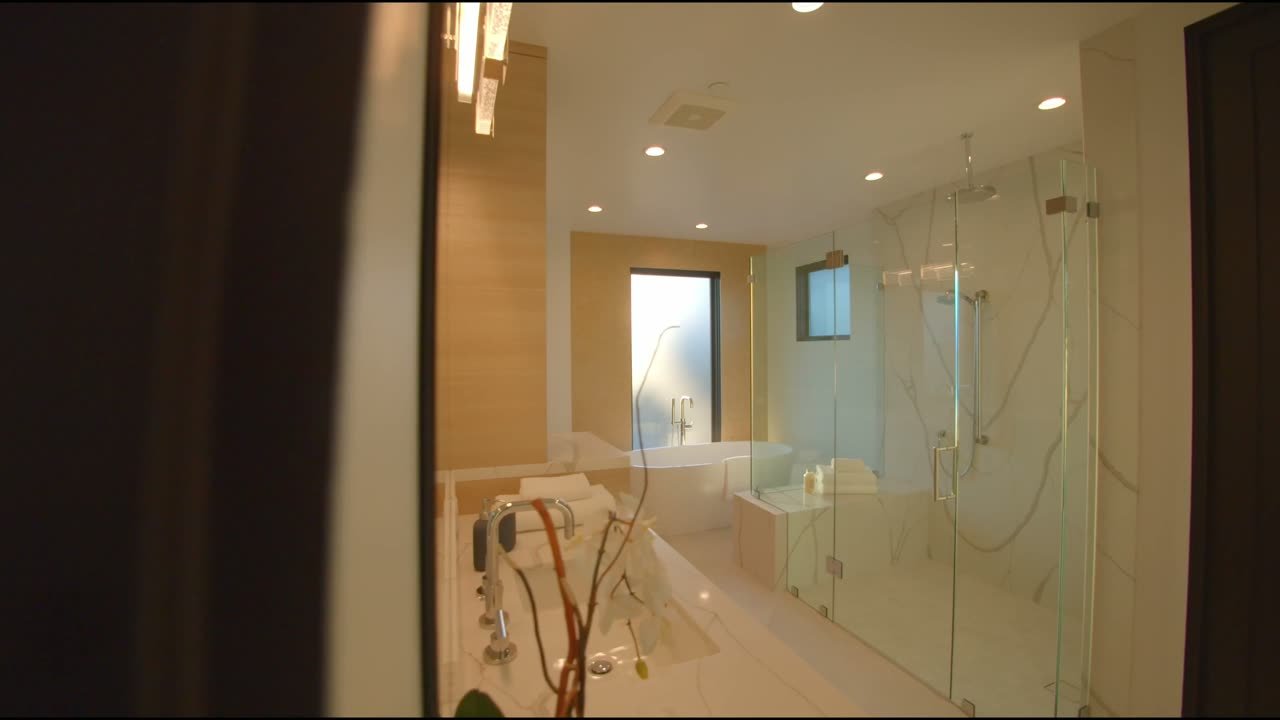
Half the property work I do is arranged by someone who isn't standing in the house, and often isn't in the country. So the shoot gets designed over messages, days before anyone opens a door.
These are the questions I actually send. They take five minutes to answer and they change everything about the day.
Which way does it face, and where does the sun leave?
Orientation on a map tells me half of it. The other half is local: which corner of the terrace loses the sun first, whether a hill or a stand of trees cuts the evening short, at what hour the pool stops reflecting.
An owner knows this without thinking about it, because they've eaten dinner out there. It's the single most useful thing they can tell me, and it decides what time I arrive.
Where does the land stop?
I need the boundary before I plan a single drone movement, because I don't fly over the neighbours. Plots are rarely tidy rectangles, and on an awkward one the flight paths have to be built rather than chosen.
Knowing the shape in advance means I arrive with two or three movements already in mind instead of working it out while the light goes.
What's the one thing that sells this house?
Owners nearly always know. The view from one particular window. The way the living room opens completely in summer. The fact that you can hear the sea from the top floor.
Whatever it is goes at the start or the end of the film, and the rest gets built around it. If I have to guess, I'll guess reasonably, and I'll still be less accurate than the person who lives there.
What shouldn't be in the frame?
A neighbour's wall that spoils a view. A room that's being renovated. A boundary dispute nobody wants advertised.
Asking this up front is quicker than discovering it in the edit, and it avoids the version where a finished film has to be recut.
Who's the buyer, and where are they?
A film for a family relocating is not the same film as one for someone buying a second home to rent out. The first wants the routes, the rooms, the daily life. The second wants the terrace, the pool, and how it looks in the evening.
Where they're watching from matters too. If most enquiries come from abroad, the film carries more weight in the decision, because the buyer may see the house on screen several times before they see it at all.
What's already been photographed?
If there's a good set of photographs, I look at them before I arrive. They tell me what's been covered well already, so the film can spend its time elsewhere rather than repeating what the listing does perfectly well on its own.
And then the shoot is mostly decided
By the time I get there I know the hour, the flight paths, the opening shot and the closing one. What's left is execution and the things nobody could have predicted: the wind, a delivery van in the drive, a cloud that sits in one place for an hour.
That's a good trade. The unpredictable parts are much easier to handle when everything else is already settled.
I'm doing this work in Santa Teresa, Costa Rica from the end of September 2026, where nearly every enquiry will arrive from another country and this list will matter more than it does at home. If you'd like the offers and what each one delivers, it's just here.
More in Real estate video