Web Design in Santa Teresa, Costa Rica
Websites for businesses on the peninsula, how I build them, why the images come first, and what changes when your visitors arrive from four countries.
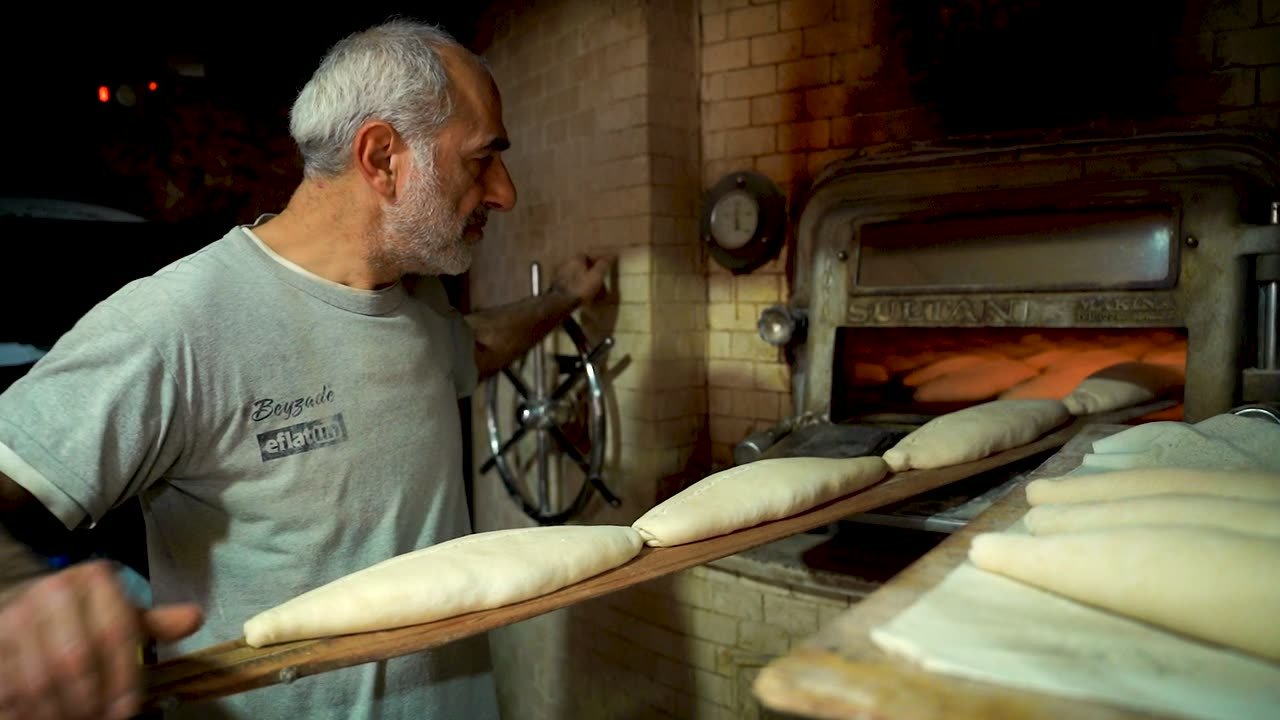
I build websites, and I film. Those started as two jobs and turned into one, which is the short explanation for how I work now.
I land in Santa Teresa on 25 September 2026. This page covers what a site for a business on the peninsula has to do, and how I go about it.
Your visitors are already somewhere else
A hotel, a surf camp or a restaurant here is found mostly by people who aren't here yet. They're planning a trip from another continent, on a phone, in a language that isn't Spanish, comparing three places at once.
So the site has to load quickly on a mediocre connection, say where it is and what it costs without making anyone hunt, and give them a way to book or write that takes ten seconds.
That's a low bar to describe and a surprisingly long one to actually meet.
The images decide most of it
Text tells someone the room has a sea view. An image lets them decide whether they want it. On a coast where the product is largely the place itself, the pictures and the video are doing the persuading, and the layout is mostly getting out of their way.
This is where filming and building in the same head helps. I shoot with the page in mind: knowing that this clip becomes a header and needs to survive being cropped to a phone, that this one runs muted, that this one has to loop without a visible seam. And the site gets built around footage that exists, rather than around placeholder blocks somebody fills in later.
If you already have images you like, we use those. If you don't, I come and film.
Two languages, done properly
A site here is usually needed in more than one language. Two are included in what I build, and they're built in from the start rather than bolted on, because retrofitting a second language into a finished site is where most of the cost goes.
The pieces that need care are the ones nobody looks at: which URL a search engine considers the original, what the page declares about itself, whether a French visitor and a Spanish one land in the right place without having to hunt for a flag.
You run it yourself
Every site comes with an admin area you use yourself: change your prices, add photos, write a post, look at how many people came and where from. No ticket to open, no waiting on me for a paragraph.
That's the objection I hear before the price comes up: the worry about depending on whoever built the thing. It's a fair worry, and the answer is to hand over the keys at delivery.
I keep my own tools for the parts that repeat, which is a large part of why this doesn't cost what an agency charges. The specific parts stay specific.
What I can't promise, and won't
Nobody can guarantee you a position on Google, and anyone who does is selling something they don't control. What a site can do is be fast, be readable on a phone, say clearly what you sell and where you are, and be structured so a search engine can make sense of it. That's the honest version of the offer.
Where this page is thin
I haven't yet built a site for a business on this peninsula. What I know about the market, I know from the outside: that traffic arrives from several countries, that mobile dominates, that booking is where people drop off.
What I don't know is the texture: which season the enquiries actually come in, whether people here write on WhatsApp rather than by email, what a small hotel on that road already has in place. Those answers change how a site is laid out, and I'd rather ask a few owners than guess in advance.
Ask me again in November and this page will have real examples in it.
The two website options, and what each includes, are here.